

How Much Does Tree Cutting Cost in Bronx, NY? Complete 2026 Price Guide
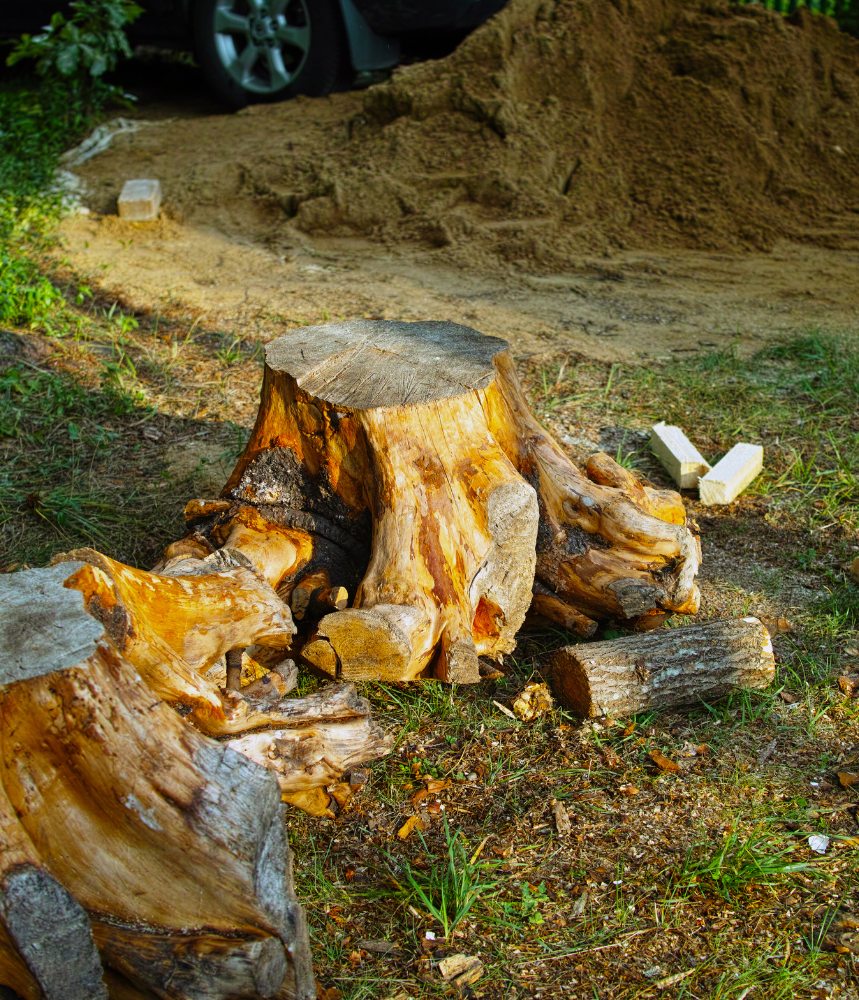
You contact three Bronx tree removal firms and receive three completely different quotes: $400, $1,200, and $2,800. So which one is correct? Probably all of them, depending on what’s included. In 2026, prices for tree removal can vary significantly depending on the diameter of the tree, its condition, the species of the tree and the access to the tree on a constrained Bronx lot. When a quote is labeled “cheap”, it is probably because they didn’t include stump grinding, debris removal or permit fees in the quote and added them as extras after the job started. Meanwhile, a higher quote might already include everything start to finish. This guide details the actual 2026 prices based on the size of the tree, what charges are usually hidden in a quote, and how to spot a missing quote. Average Tree Cutting Costs by Size Tree size remains the single biggest factor in almost every quote, since it determines labor time, equipment needs, and crew size. Tree Height Typical Cost Range Small (under 30 ft) $150 – $450 Medium (30–60 ft) $450 – $1,500 Large (60–80 ft) $1,000 – $2,000 Very large (80+ ft) $1,500 – $5,000+ A small ornamental tree tucked in a Bronx backyard might run closer to $200, while a mature hardwood pushing 80 feet near a rowhouse or overhead line can easily exceed $3,000, particularly if a crane is required to safely lower sections over a roof or fence line. What Actually Drives the Price Beyond Height The diameter of the trunk is as important as height. It is a significant difference in wood volume removed when a tree is measured by diameter at breast height (DBH) over 24 inches as opposed to a tree of the same height but smaller diameter. Tree condition is one thing that many homeowners have incorrect. It is logical that as the trees are healthy, it should cost less than if they were dead trees, and the opposite is usually the case. A tree with decayed, brittle wood can be unpredictable and can snap or drop without warning, and may require the crew to slow down and rope each section of the tree or sometimes use a crane instead of a chainsaw to fell. This extra precaution is evident in the bill itself. Species type also plays a role. Common Bronx trees such as hardwoods (oak and maple) are harder to cut through and are generally more expensive to take down than lighter, softer trees. Trees with several trunks and/or wide-spreading branches introduce increased complexity and time. Accessibility is where Bronx pricing tends to diverge most sharply from national averages. Sometimes this will result in additional time and manpower needed, and additional costs for the job, as a tree that is tucked behind a garage, between two connected homes or right under power lines cannot always be accessed with standard equipment and will typically cost 25-50 percent more than a similar job with open access. What’s Typically Not Included in a Base Quote A lot of tree removal quotes only cover tree removal to the ground. Even if it seems like an all-inclusive quote, it’s good to clarify what’s included. Stump grinding cost is usually $150 to $500 per stump, and is often charged on a per-inch basis, depending on the stump diameter. When the soil is dug up for grading, all the above ground stubs are cut and removed down to 6 to 12 inches, but the deeper roots are left and will die off over time. When a homeowner wants to build or plant right in the same location, a more disruptive option usually gets the job done, and is often available for $300-$500 or more. Another popular optional is debris hauling, which ranges from $50 to $150, depending on amount of debris. Some companies will include it in the base quote; others will charge it as a separate item; you should always ask about this. Costs of Bronx tree removal may also include permits, especially if the tree is on the street or a landmarked property, that must be approved by the NYC Parks Department before the tree is removed. Emergency Tree Cutting Costs The time of day, the time of year and the need for timely service due to storm damage and dangerous leaning trees is critical and the pricing reflects that. Generally, emergency removals can cost between 50% and 100% more than a normal scheduled removal, and will range in total cost between $1,500 and $5,000 depending on the size of the tree and work required to remove it. When trees are leaning against Bronx houses or entangled in power lines after a storm or are obstructing the only driveway access to a property, they will typically be placed into this higher tier of emergency pricing because crews will need to respond quickly and may need to work under more challenging and dangerous conditions than a pre-planned removal. Tree Trimming vs. Full Removal: A Cost Comparison Not all tree issues need to be solved by complete removal and it’s worth considering whether a trim might be able to resolve the issue at a much lower cost. The cost of tree trimming and pruning is $200 to $900 per tree, compared to the $several hundred to several thousand dollars it can cost to remove a tree. A good arborist will also be honest with you if they believe that removal is not the right option, for example if a tree has several dead branches and trimming would achieve the desired effect, or if limbs are overgrown in the area of a structure or if the canopy of a tree just needs to be thinned out. Does Homeowners Insurance Cover Tree Removal in the Bronx? Coverage depends greatly on the particular scenario. Most homeowners policies will provide coverage for tree removal if the tree is brought down by a covered peril such as a windstorm or lightning strike, and fell on a structure covered by the policy such as